

Free Shipping Every Day, Every Order
Chemicals
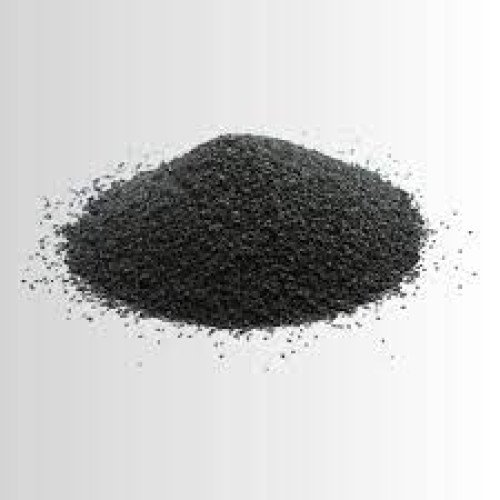
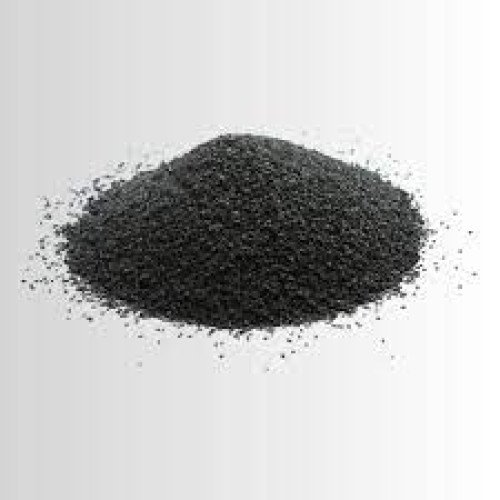
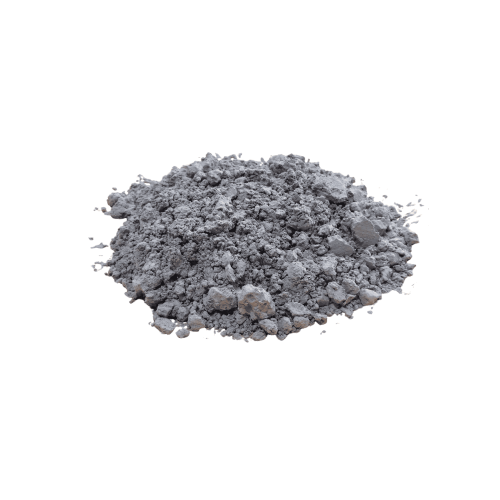
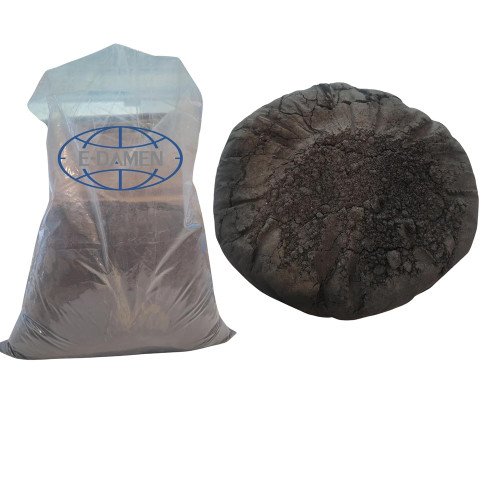
Earthing powder (also known as grounding compound or earth enhancement powder) is a specially formulated material used in earthing systems to improve the conductivity and efficiency of grounding electrodes like earth rods, plates, or conductors. It is commonly used in areas with poor soil conductivity or where the soil is highly resistive, as it helps enhance the overall effectiveness of the earthing system.
Composition:
Mixture of Chemicals: Earthing powder is generally composed of a blend of chemicals such as bentonite clay, graphite, sodium chloride, copper sulfate, and other materials that enhance soil conductivity. These ingredients help to lower the soil’s resistivity, creating a better connection between the grounding electrode and the earth.
Moisture Retention: Some powders include materials that help retain moisture in the soil around the earth rod, which is crucial for maintaining low resistance over time.
Purpose and Function:
Improves Soil Conductivity: Earthing powder enhances the conductivity of the soil, reducing the overall resistance to the ground. This is particularly useful in regions where the soil has low moisture content or high resistivity, such as rocky, sandy, or arid areas.
Reduces Grounding Resistance: It helps in ensuring that the grounding electrode (e.g., earth rod) has a direct and low-resistance path to the earth, making the earthing system more efficient and safer.
Increases the Lifespan of the Earthing System: The compounds in earthing powder can prevent corrosion of grounding electrodes and maintain their performance over time.
Types of Earthing Powder:
Non-Corrosive Earthing Powder: These are specially formulated to ensure that the powder doesn't corrode the earthing electrodes (especially copper or galvanized steel rods).
High Conductivity Earthing Powder: These powders are designed to enhance the conductivity of the soil more effectively, providing a better electrical connection between the ground and the electrode.
Moisture Retention Earthing Powder: These powders help in maintaining moisture around the earthing electrode, ensuring that the conductivity of the surrounding soil remains consistent, even during dry periods.
Applications:
Industrial and Commercial Installations: Used in power plants, substations, telecommunications towers, and other facilities where reliable grounding is critical.
Residential Installations: Particularly useful in areas with poor soil conductivity where standard earthing systems might not be sufficient.
Solar and Wind Energy Systems: Essential for grounding solar panels and wind turbines, as grounding is critical for protecting these installations from lightning strikes and electrical faults.
Heavy Machinery and Equipment: Used in factories, mines, and plants to ensure that all electrical equipment is effectively grounded for safety.
Advantages:
Improved Grounding Performance: Earthing powder improves the grounding system’s efficiency by reducing the overall resistance and increasing the conductivity of the surrounding soil.
Cost-effective Solution: It is a relatively low-cost solution for improving grounding resistance without the need for extensive modifications to the earthing system.
Long-lasting Effect: The compounds in earthing powder ensure long-term efficiency and can significantly reduce maintenance costs by preventing corrosion and deterioration of grounding electrodes.
Maintenance-Free: Once installed, the earthing powder typically does not need frequent maintenance, making it a low-maintenance option.
Disadvantages:
Environmental Impact: Some earthing powders may contain chemicals that can be harmful to the environment if not handled properly. It is important to choose powders with minimal environmental impact.
Initial Cost: While the long-term benefits are significant, the initial cost of high-quality earthing powder may be higher compared to other simpler earthing methods.
Limited to Specific Conditions: Earthing powders are most effective in certain soil types. In highly conductive areas, their usage might not offer significant benefits.
Installation:
Application to Earth Electrode: The earthing powder is typically placed around the earthing electrode (rod, plate, or conductor) during installation. It is packed around the electrode, and in some cases, it is mixed with water to create a paste-like consistency.
Depth of Application: The powder should be applied to a sufficient depth around the earth electrode to ensure that a large volume of soil is enhanced, ensuring the lowest possible resistance path.
Regular Maintenance: In areas with extreme weather conditions (such as heavy rains or droughts), the earthing system might need to be checked periodically to ensure the powder’s effectiveness remains intact.
Packaging:
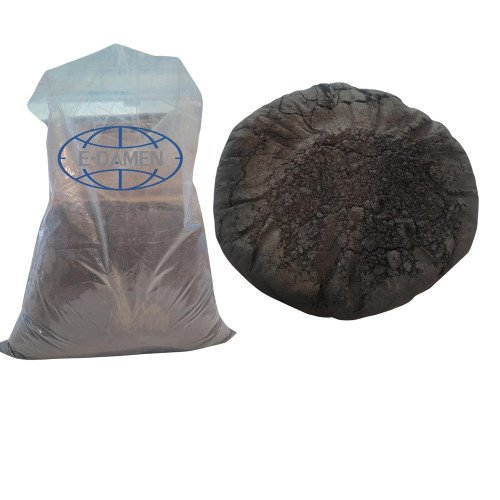
Earthing powder typically comes in bags or packets, and the quantity required will depend on the size of the earthing system. These are easy to handle and transport, making installation relatively straightforward.
The packaging usually includes guidelines on how to use the product, ensuring correct application rates based on soil conditions.
Dry & Arid Regions: In areas with low rainfall or high temperature, earthing powder is especially beneficial as it helps in maintaining the moisture levels around the earthing system and improves the conductivity of the soil.
Rocky or Sandy Terrain: In rocky areas where traditional earthing methods might fail due to high resistivity, earthing powder helps to bridge the gap by improving conductivity.
Urban Areas with Concrete: In cities where the earth’s natural conductivity is disturbed due to concrete or asphalt surfaces, earthing powder provides a reliable solution to improve the grounding system.
Earthing powder is a crucial material for enhancing the performance of earthing systems, especially in areas with poor soil conductivity. It helps reduce grounding resistance, increases the safety and longevity of the earthing system, and ensures that electrical installations are safe from faults. With a blend of various conductive and moisture-retaining compounds, earthing powder is a cost-effective solution for improving grounding efficiency in industrial, commercial, and residential applications.
